
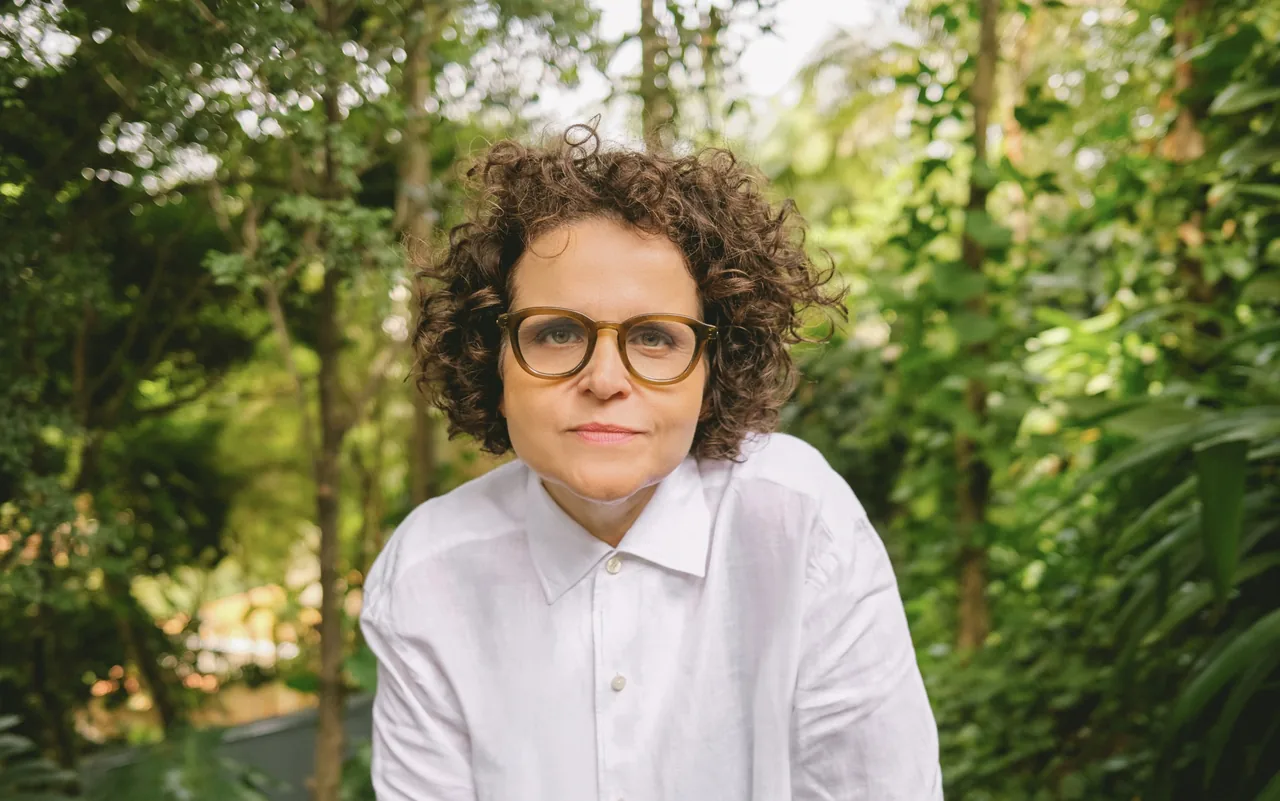


Cristina Naumovs
Cristina Naumovs is the founder of Apego Inc, a creativity and innovation consultancy for major brands such as Ambev, Grupo Boticário, Itaú, and Havaianas, among others. She has worked in various newsrooms across the country, including Trip Editora, Cosmopolitan, and Folha de SP, as art and content director.
FIFA Summit - The Effect of the FIFA Women's World Cup 2027™: How Sport Can Connect Brands, Tourism and Culture


With Brazil at the center of global attention, the FIFA Women's World Cup 2027™ will have the potential to move much more than just sports. The panel addresses how major events can boost infrastructure, tourism, promote Brazilian culture to different audiences, creating platforms for connection between brands, consumers and the country, and leaving a positive legacy for sports and society.
Audiovisual, Me, Myself, Robot! How to Escape the Sea of Sameness
The dangerous contemporary phenomenon: the sea of sameness. Identical campaigns, identical promises, productions that follow trends and generate identical experiences. Today, everyone competes for attention in less than eight seconds; looking like everyone else means disappearing. Technology as a possibility for the future, as an imaginary to share with the public more critical and creative possibilities for using technology within audiovisual production. This panel brings together the creator and disseminator of the present future. We discuss the challenges of content distribution on platforms like YouTube, how to embrace new logics of audiovisual production distribution, considering algorithms, audience, engagement and content discovery. What really enhances reach and relevance? The commercial results and authenticity achieved on and off screen.
Femtechs, Data and Care: When Technology Goes Beyond Medicine Made for Them
Science and medicine for decades have used the male body as the "standard," creating gaps in diagnosis, treatment, and the design of solutions for women. The panel discusses how to correct these biases, expand who researches and makes decisions, and strengthen innovations in women's health — such as femtechs and more integrated, accessible, and humanized care models — to make healthcare more fair and effective.